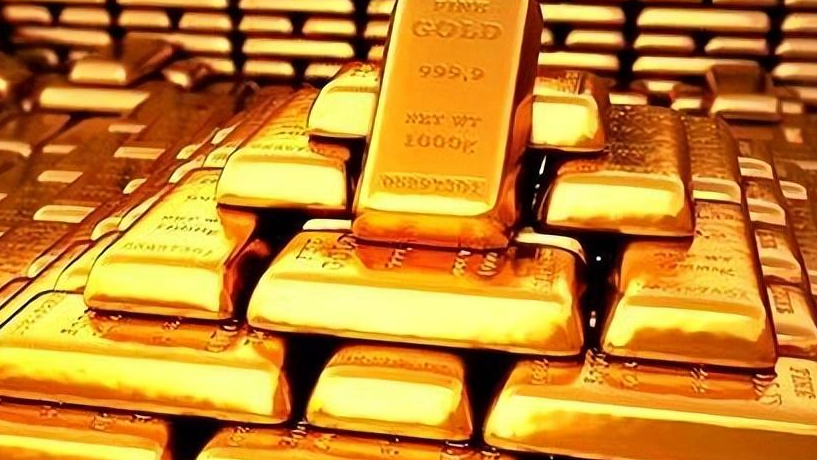
The world of finance is currently witnessing an extraordinary surge in gold prices, capturing the attention of investors and analysts alike. This momentum isn't merely a fluke but rather a reflection of growing concerns regarding the global economic landscape, marked by rising trade tensions, inflation worries, and geopolitical uncertainties. Just a mere two months into the new year, some financial institutions have set ambitious price targets for gold, eyeing the $3,000 mark by 2025, a goal that now seems more attainable with the recent developments in international trade.
Recently, the U.S. government announced a new wave of tariffs on steel and aluminum imports, imposing a 25% tax on all incoming products in these categories. This step has escalated trade tensions and sent ripples through the global markets. The immediate response from gold markets was telling; during trading sessions in Asia, the price of gold began to climb sharply. The New York Commodity Exchange saw COMEX gold futures for April delivery breach the $2,930 per ounce threshold, marking yet another record high. Following a substantial 27% increase in gold prices last year, the current rally has pushed prices up over 10% year-to-date.
A noteworthy point of interest is the growing disparity in the pricing of physical gold in the United States, which suggests heightened demand. Currently, the premium for gold futures contracts over the actual physical gold price in the U.S. has reached $28 per ounce. Reports indicate that there has been a spike in demand for physical gold, leading to banks in London lending out their gold reserves at unprecedented rates. In periods of normalcy, the London gold market's one-month leasing rates hover close to zero. However, the current demand has driven these rates up to an astonishing 4.7%. There is significant activity in withdrawals from the Bank of England's gold vaults, with delays exceeding a week, indicating a clear thirst for gold among investors.
Moreover, a report released by the London Bullion Market Association highlights a critical point: in January, the amount of gold stored in London fell by 1.7% to 8,535 tons, coinciding with increased shipments to the U.S. gold reserves, which have surged over 90% since late November. The situation exemplifies the intricate balance of supply and demand in the global gold marketplace.
Marex market analyst, reflecting on these developments, noted that the trade tariff situation greatly influences gold prices, intensifying concerns over the global economic environment. Investors are eagerly awaiting the release of critical economic indicators, including the U.S. Consumer Price Index (CPI) and Producer Price Index (PPI), which could play a pivotal role in determining future price movements. If these reports indicate a downturn in inflation metrics, it could exert downward pressure on the dollar, consequently boosting gold prices.
Independent analyst Norman describes the situation optimistically, stating that gold appears to be on a clear trajectory towards the $3,000 level amid a robust market backdrop. He notes that the prevalent fears regarding tariffs are igniting inflation concerns, consequently heightening the attractiveness of precious metals as a hedge against such economic instability.
The World Gold Council’s most recent report echoes this sentiment, revealing that in 2024, global gold demand hit an unprecedented high of 4,974 tons, driven by geopolitical and economic uncertainties. Central banks worldwide continued to amass substantial gold reserves for the third consecutive year. In the fourth quarter of last year alone, purchases soared by 54% compared to the previous year, reflecting a keen interest in gold among emerging markets. India, Turkey, and Poland lead the charge, with Turkey boasting a noteworthy 34% of its total reserves in gold.
Survey findings from the World Gold Council also indicate a compelling trend among central banks, with 69% of respondents anticipating further net purchases of gold reserves, emphasizing gold's role as a strategic asset for portfolio diversification and risk mitigation. Among central banks in emerging markets, this percentage skyrockets to 90%, indicating a strong commitment to strengthening their gold holdings.
Financial experts, such as Jinsella, the global head of FX strategy at Swiss bank UBS, articulate the implications of political decisions, particularly the sanctions imposed on the Russian central bank in 2022. This precedent has raised alarms for nations engaging with Western powers, leading to increasing skepticism towards holding U.S. assets and pushing countries to beef up their gold reserves — a trend expected to persist into 2025.
Interestingly, exchange-traded funds (ETFs) focused on gold have emerged as a new force in the market. The World Gold Council notes that as gold prices rise, individual investor interest in these ETFs is likely to continue its upward trajectory. This shift reflects a growing realization of gold's protective qualities against an unpredictable economic landscape.
On another front, the mounting concerns regarding the size of U.S. national debt, which has recently eclipsed $36 trillion, have reignited discussions about gold's long-term price potential. Abrust, co-founder and managing partner of Altavest, suggests that the upward trend in gold is likely to persist, driven by uncontrolled federal spending that could lead to devaluation of the dollar.
Wall Street giants, including Citigroup and JPMorgan, have publicly expressed their predictions that gold will surpass the $3,000 barrier this year, especially if U.S. economic policies exhibit further destructive tendencies through higher tariffs and escalating trade disputes. Presently, some institutions have recalibrated their targets upward, exceeding $3,200. Strebel, chief market strategist at Blue Line Futures, notes that the bullish trend since December could yield a self-reinforcing effect, invigorating confidence in gold’s continued rise, projecting targets in the realm of $3,250 to $3,500.
As we navigate these turbulent financial waters, the resilience and allure of gold as a safe haven have never seemed more pronounced. With each ripple in global politics and economics, it becomes increasingly clear that gold's place in the investor's portfolio is not just a fleeting trend but a strategic shield against uncertainty.