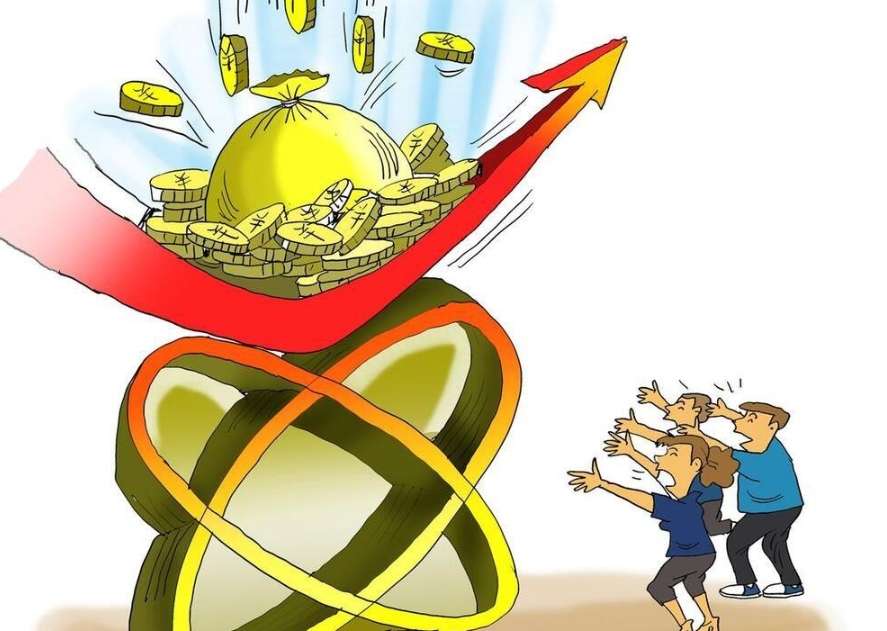
If you're building a portfolio, you've probably heard the rule: long-term bonds are riskier than short-term bonds. It's thrown around so much it starts to sound like background noise. But here's the thing most articles don't tell you—the risk isn't just about "time." It's about how your money gets quietly eroded by forces you can't control while you're locked in, helpless to do anything about it. I've managed bond portfolios through periods of stable rates and through sudden spikes, and the pain of watching a 30-year Treasury you bought for safety lose 20% of its market value in a year is a very specific kind of lesson. It teaches you that bond risk is silent, patient, and often misunderstood.
Let's cut through the noise. The core truth is this: long-term bonds are riskier primarily because they are exquisitely sensitive to changes in interest rates and inflation over a much longer horizon. A short-term bond matures quickly, returning your principal so you can reinvest at new rates. A long-term bond is a decades-long bet that nothing will seriously disrupt the value of that fixed payment. That's a big bet.
Your Quick Navigation Guide
The Core Risk: Why Time is the Enemy
Think of risk as uncertainty. The longer the time frame, the more uncertain the future. With a 3-month Treasury bill, you're mostly worried about the issuer (the U.S. government) not paying you back—a near-zero concern. With a 30-year bond, you're exposed to a buffet of risks for three decades. It's the difference between crossing a quiet street and navigating a dense forest where the weather, terrain, and wildlife can change.
The main risks amplify with time:
- Interest Rate Risk (Duration Risk): This is the heavyweight champion. Bond prices move inversely to interest rates. Long-term bonds have higher "duration," a measure of price sensitivity. A 1% rise in rates hurts a 30-year bond's price much more than a 2-year note's.
- Inflation Risk (Purchasing Power Risk): Your bond pays a fixed coupon. If inflation averages 3% over 30 years, the real value of those payments and your principal at maturity gets chewed up. Short-term bonds let you reset more often.
- Reinvestment Risk: This one flips the script. When your short-term bond matures, you face the risk of reinvesting at lower rates. For long-term bonds, you lock in a rate for longer, which seems good—until you realize you're missing out if rates rise. It's a trade-off.
- Credit Risk (Default Risk): More time means more chances for a corporate or municipal issuer's financial health to deteriorate. A company can look solid today and be in trouble in year 15 of your bond.
I remember advising a retiree who was thrilled with the "high" 4.5% yield on a long-term corporate bond in a low-rate environment. He saw safety and income. I saw a dangerous lack of flexibility and a huge interest rate risk bet. When rates began their climb, the market value of his "safe" bond dropped sharply, and he needed to sell some assets for medical bills. He was forced to realize a paper loss. That's when theoretical risk becomes painfully real.
Interest Rate Risk: The Big One
Let's get concrete. Duration is the key concept here. It's not just maturity. It's a number that tells you approximately how much a bond's price will change for a 1% change in interest rates.
| Bond Example | Maturity | Approx. Duration | Estimated Price Change for +1% Rates | Estimated Price Change for -1% Rates |
|---|---|---|---|---|
| Short-Term Treasury Note | 2 Years | ~1.9 years | -1.9% | +1.9% |
| Intermediate Treasury Bond | 10 Years | ~8.5 years | -8.5% | +8.5% |
| Long-Term Treasury Bond | 30 Years | ~20 years | -20% | +20% |
See the difference? A 1% rate move, which happens, causes a seismic shift for the long bond. In a rising rate environment, long bonds in your portfolio can act as an anchor, dragging down your total returns even as the coupons keep paying. This is why the Federal Reserve's interest rate decisions are front-page news for bond investors—they directly dictate the market value of existing long-term bonds.
A subtle point many miss: this price volatility matters even if you "hold to maturity." Yes, you'll get your principal back if the issuer doesn't default. But during those holding years, you're stuck with an asset that's fallen in market value. That limits your financial flexibility. You can't sell it to rebalance or cover an emergency without taking a hit. Your money is locked in a depreciated asset. That's an opportunity cost and a real risk.
Inflation and Reinvestment Risks: The Silent Eaters
Inflation is the thief of fixed income. A long-term bond with a 5% coupon sounds great until inflation runs at 6% for a few years. Suddenly, you're losing purchasing power every year. The Consumer Price Index (CPI) reports from the Bureau of Labor Statistics become your report card, and it's often a failing grade for long-term, low-yielding bonds.
Short-term bonds provide a hedge here. They mature frequently, allowing you to roll the proceeds into new bonds with (hopefully) higher, inflation-compensating yields. It's a way to stay current with the economic reality.
Now, reinvestment risk. This is the mirror of interest rate risk. Imagine you bought a 30-year bond yielding 6% years ago. You're happy. But now, all your coupon payments—the interest you receive every six months—must be reinvested in a market where new bonds only yield 3%. Your overall portfolio return gets dragged down by this trickle of money forced into low-yielding investments. With short-term bonds, your entire principal is reinvested at new rates more often, which can be good or bad. It's a risk either way, but the nature of it changes with maturity.
Managing Long-Term Bond Risk in Your Portfolio
So, should you just avoid long-term bonds? Not necessarily. The key is intentionality and risk management. Don't buy them on autopilot for "safety." Here's how to think about it:
Know Your Duration Target
Your portfolio has an overall duration based on all your bonds. If you're young and saving for retirement decades away, you might tolerate a higher duration (more long-term bonds) because you have time to recover from price drops. A retiree drawing income needs stability and lower duration. Calculate your portfolio's average duration. It's your temperature gauge for interest rate sensitivity.
Use Ladders, Not Bullets
A bond ladder is your best friend. Instead of putting $100,000 into one 30-year bond, split it into chunks maturing every year or two for the next 10-15 years. This gives you predictable cash flow, reduces sensitivity to rate moves at any single point, and lets you reinvest regularly. It's a boring, brilliant strategy.
Consider TIPS for Long-Term Inflation Exposure
If you want long-term bond exposure, Treasury Inflation-Protected Securities (TIPS) are designed for this. Their principal adjusts with CPI. Long-term TIPS still have interest rate risk (their prices fluctuate), but they directly address the inflation risk that devastates traditional long bonds. They can be a strategic part of a long-term allocation.
When Long-Term Bonds Actually Make Sense
There are strategic reasons to hold them:
- Matching a Specific, Long-Term Liability: This is textbook. A pension fund with obligations due in 25 years might buy 25-year bonds to match the timing. The price volatility before maturity is irrelevant if they hold to pay the claim.
- A Strategic Bet on Falling Rates (or a Hedge): If you have a strong, non-consensus view that rates will fall significantly, long-term bonds offer the biggest capital appreciation. Similarly, in a diversified portfolio, long Treasuries can be a fantastic hedge against a stock market crash (they often rally when stocks plummet).
- The Yield Curve is Steeply Inverted: This is a nuanced one. When short-term rates are higher than long-term rates (an inverted curve), the market is predicting future rate cuts. Locking in a long-term rate that's lower than the short-term rate seems silly, but if you believe rates will fall even more than the market expects, going long can win. It's a tactical, higher-conviction play.
I once used long-term bonds successfully as a hedge. During a period of extreme stock market volatility, I allocated a small portion of a portfolio to long-dated Treasuries. When equities sold off sharply, those bonds rallied 15%, cushioning the overall blow. They served their purpose perfectly as portfolio insurance, not as a primary income source.
Your Questions on Bond Risk Answered
The bottom line is simple but critical: don't equate "bond" with "safe." The safety of a bond is directly tied to its maturity and your time frame. Long-term bonds are powerful tools for specific goals—matching liabilities, hedging equity risk, or making a tactical rate bet. But as a default parking spot for "safe money," they are a trap waiting for a shift in the economic winds. Understand duration, respect inflation, and build a bond strategy that matches your actual needs, not just the yield you see today.